Authentic Trinidad Coconut Bake: Your Guide to a Savory Classic
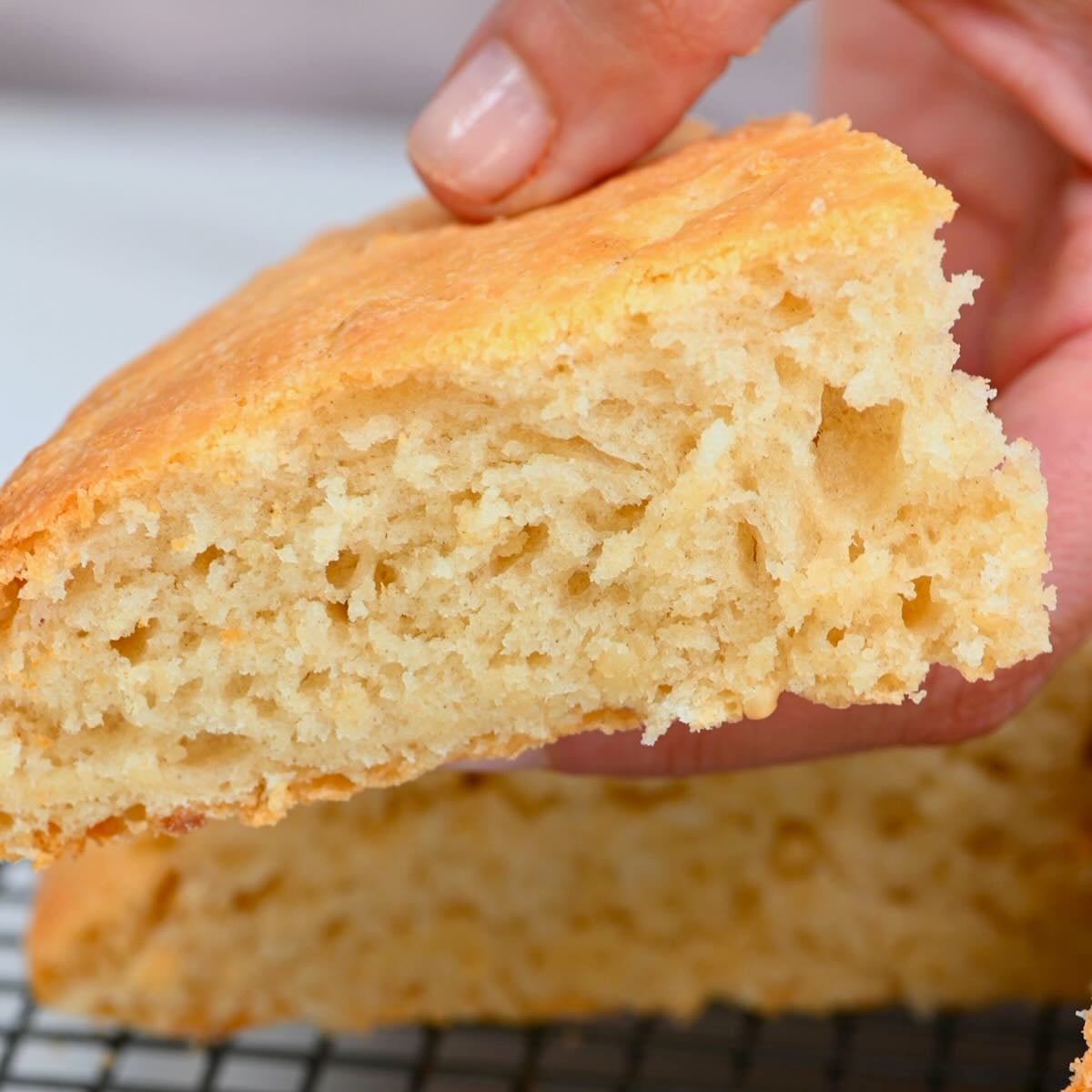
Step into any Trini kitchen, and the aroma of freshly baked coconut bake is often an invitation to pure comfort. This isn't your average sweet coconut loaf or a fluffy cake; authentic Trinidad Coconut Bake, often affectionately called Trinidad Pot Bake, is a foundational savory bread. It's thick, wonderfully soft on the inside with a delicate chew, and boasts a lightly crisp, golden top. If you've ever wondered
how to make coconut bake that truly captures the spirit of the Caribbean, you're in the right place. This comprehensive guide will walk you through creating a traditional, yeast-based classic that's perfect for scooping up hearty stews or enjoying simply with a smear of butter.
What Makes Authentic Trinidad Coconut Bake Unique?
Unlike many coconut-infused baked goods found around the world, Trinidad Coconut Bake stands apart. Its identity is rooted firmly in savory tradition, making it a staple at breakfast, brunch, and dinner tables across the island.
*
A Savory Foundation: The most significant distinction is its savory nature. While it contains a touch of sugar to activate the yeast and balance the flavors, it's not a sweet bread. It's designed to complement and absorb the rich flavors of savory accompaniments like saltfish buljol, smoked herring, stewed meats, or a simple fried egg and cheese. This emphasis on savory pairings highlights its role as a robust, versatile bread, rather than a dessert. If you're curious about the different styles, our article
Coconut Bake: Traditional Bread vs. Sweet Cakey Treat Explored delves deeper into this fascinating distinction.
*
Distinct Texture: Forget the light, airy crumb of sandwich bread or brioche. Traditional coconut bake has a moderately dense, compact crumb. This isn't a flaw but a desired characteristic that gives it substance. Inside, it’s beautifully soft and tender, contrasting perfectly with a gently crisp exterior. This unique texture allows it to be sturdy enough to tear and dip, yet tender enough to melt in your mouth.
*
Simple, Wholesome Ingredients: The magic of this bake lies in its simplicity. Flour, yeast, sugar, salt, butter, fragrant nutmeg, shredded coconut, and coconut milk are the stars. These humble components come together to create a deeply flavorful bread, rich with the subtle sweetness and unique creaminess of coconut, without being overtly sugary.
*
Yeast-Based Process: The use of yeast is critical to its traditional character. This means a little patience for proofing, which develops the flavor and structure, leading to that characteristic soft-but-dense interior. This sets it apart from quicker, cake-like versions that rely on baking powder for leavening.
Essential Ingredients for Your Savory Coconut Bake
To truly master
how to make coconut bake, understanding the role of each ingredient is key. Gather these kitchen staples, and you'll be well on your way to a perfect bake.
*
All-Purpose Flour: The backbone of the bread, providing structure and texture. No need for fancy bread flour here; all-purpose works beautifully.
*
Active Dry Yeast: The leavening agent that gives the bake its slight rise and characteristic texture. Ensure your yeast is fresh and active for best results.
*
Granulated Sugar: A small amount is crucial, primarily to feed the yeast and promote fermentation, rather than to make the bread sweet. It also helps with browning.
*
Salt: Enhances all the flavors in the bread and helps regulate yeast activity. Don't skip it!
*
Freshly Grated Nutmeg: This is the secret aromatic weapon of Caribbean baking. It adds a warm, spicy, and distinctly Trini flavor that elevates the coconut. Use freshly grated for the most potent aroma.
*
Unsalted Butter: Adds richness, tenderness, and flavor to the dough. Using unsalted butter allows you to control the overall salt content.
*
Unsweetened Shredded Coconut: The star ingredient! It provides texture, flavor, and moisture. Opt for unsweetened to maintain the savory profile.
*
Coconut Milk (Lukewarm): The liquid that brings the dough together and infuses it with deep coconut flavor. Warming it slightly is essential to activate the yeast without "killing" it. *Aim for lukewarm, not hot.*
Step-by-Step Guide: How to Make Coconut Bake (The Traditional Way)
Creating this beloved Caribbean bread is a rewarding experience, even for beginner bakers. Follow these steps on
how to make coconut bake, and you'll soon be enjoying your own authentic creation.
1. Combine Your Dry Ingredients
- In a large mixing bowl, combine the all-purpose flour, active dry yeast, granulated sugar, salt, and freshly grated nutmeg.
- Whisk them together thoroughly to ensure even distribution of the yeast and seasonings. This foundational step is crucial for consistent flavor throughout your bake.
2. Incorporate the Butter
- Add the cold, cubed unsalted butter to the dry ingredients.
- Using your fingertips, pastry blender, or a fork, work the butter into the flour mixture until it resembles coarse crumbs. This process, similar to making pie crust, helps create a tender crumb in the final bake.
3. Add Coconut and Coconut Milk
- Stir in the unsweetened shredded coconut until well combined with the flour-butter mixture.
- Gradually pour in the lukewarm coconut milk. Begin mixing with a spoon, then switch to your hands once the dough starts to come together. The warmth of the milk is key to activating the yeast effectively.
4. Knead the Dough
- Turn the dough out onto a lightly floured surface.
- Knead for about 5-7 minutes. The goal isn't vigorous, extensive kneading like for chewy sandwich bread, but rather to fully incorporate all ingredients and develop just enough gluten for a soft, cohesive dough. It should be slightly sticky but manageable.
5. First Proofing (Resting Period)
- Lightly grease a clean bowl with a little oil. Place the kneaded dough in the bowl, turning it once to coat.
- Cover the bowl with a clean kitchen towel or plastic wrap. Set it aside in a warm, draft-free place to rise for 20-25 minutes. *Unlike typical bread, coconut bake doesn't achieve a dramatic double-in-size rise; expect a moderate increase in volume and a softer texture.*
6. Prepare for Baking
- Generously butter your baking dish or a regular baking tray. This not only prevents sticking but also contributes to a delicious, slightly crispy bottom crust.
- Gently transfer the dough to the prepared dish. With lightly floured hands, press the dough down to release any large air bubbles and spread it evenly across the dish. You can make the edges slightly thinner than the center, if desired. For more in-depth tips on this stage, check out our guide to Easy Trinidad Pot Bake: Make This Caribbean Bread Classic.
- Using a fork, poke holes all over the surface of the dough. This traditional step helps prevent the bread from puffing up excessively and contributes to the characteristic texture.
7. Second Resting Period
- Cover the dough again and let it rest for another 15-25 minutes. During this time, the dough will undergo a final, slight rise, and the flavors will continue to meld.
- Towards the end of this resting period, preheat your oven to 400°F (200°C).
8. Bake to Golden Perfection
- Place the baking dish in the preheated oven.
- Bake for approximately 20 minutes, or until the top is a beautiful light golden brown. The crust will be gently crisp, and the interior soft and cooked through.
9. Cool and Serve
- Once baked, remove the coconut bake from the oven.
- Allow it to cool in the dish for a few minutes before transferring it to a wire rack. While tempting, resist cutting into it immediately; letting it cool slightly makes it much easier to slice and prevents it from becoming gummy.
Serving Suggestions & Enjoying Your Coconut Bake
The beauty of authentic Trinidad Coconut Bake lies in its incredible versatility. Once you've mastered
how to make coconut bake, the ways to enjoy it are endless:
*
The Classic Trini Breakfast: Serve it warm with traditional saltfish buljol, a vibrant salad made with flaked cod, tomatoes, onions, and peppers. Other popular pairings include smoked herring, fried eggs, or stewed kidney beans.
*
Simple Pleasures: Enjoy a slice still warm from the oven with a generous pat of butter or a slice of your favorite cheese. The subtle coconut flavor shines through beautifully.
*
A Side for Any Meal: It makes an excellent accompaniment to various stews, curries, or even grilled fish, acting as a delicious vehicle to soak up flavorful sauces.
*
Storage: Store leftover coconut bake tightly wrapped at room temperature for up to 2-3 days. For longer storage, it freezes well. Wrap individual slices in plastic wrap and then foil, then thaw and gently reheat when ready to enjoy.
Conclusion
Learning
how to make coconut bake is more than just following a recipe; it's an invitation to experience a piece of Trinidadian culinary heritage. This savory, slightly dense, and incredibly flavorful bread is a testament to the power of simple ingredients and traditional techniques. Whether you're serving it with a robust Caribbean stew or simply enjoying it with butter, its unique texture and rich coconut essence are sure to transport your taste buds straight to the sun-drenched shores of Trinidad. So, roll up your sleeves, embrace the process, and get ready to enjoy a truly authentic Caribbean classic right in your own kitchen!