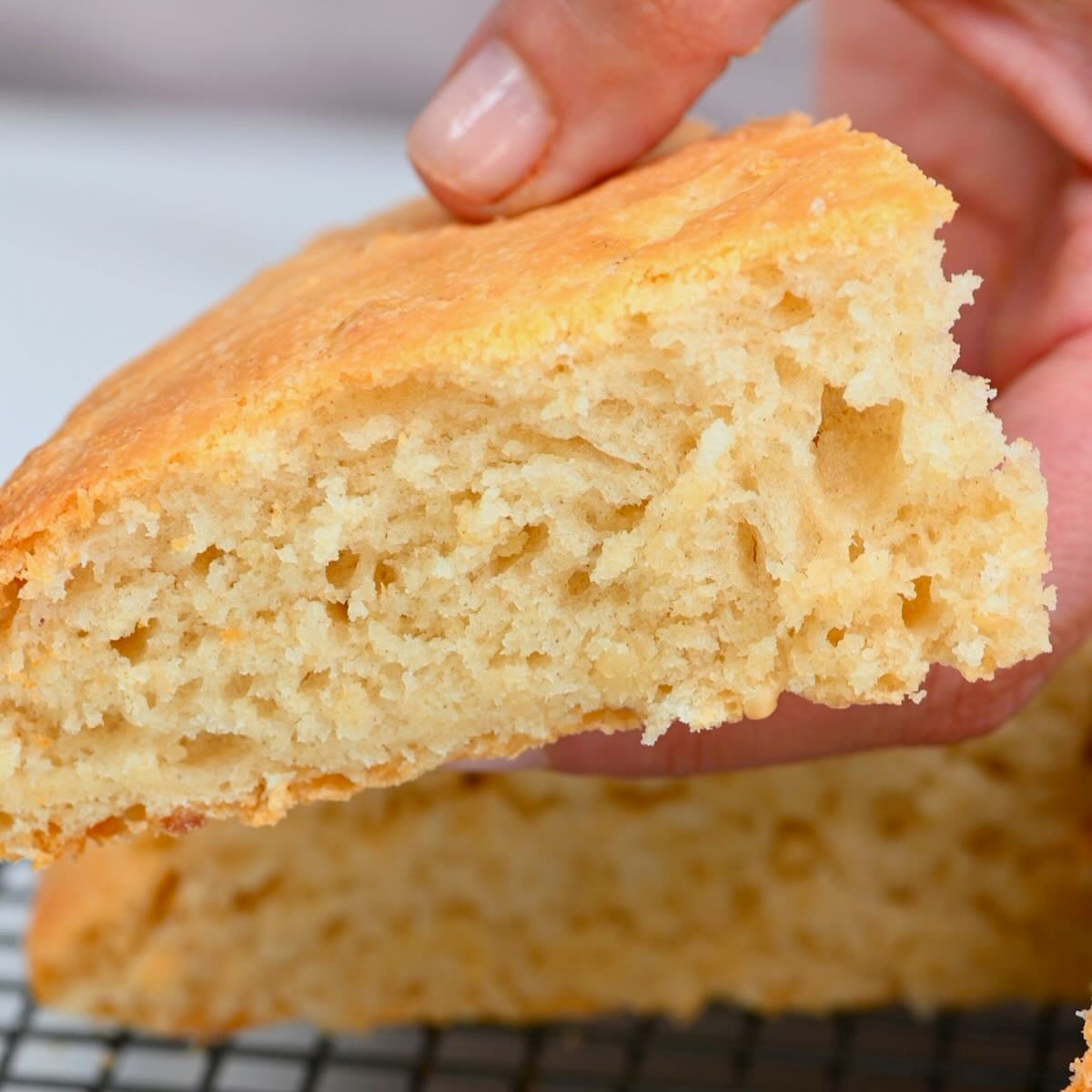
The Allure of Trinidad Pot Bake: A Caribbean Culinary Gem
Imagine a warm, comforting aroma filling your kitchen, a scent that whispers tales of sun-drenched islands and vibrant flavors. That, my friends, is the magic of Trinidad Pot Bake, also affectionately known as Coconut Bake. This traditional Caribbean bread is more than just a recipe; it's a staple, a hug in carb form, and a versatile foundation for countless delicious meals. Far from being a mere sweet treat, this yeast-based marvel is characterized by its thick, slightly dense yet beautifully soft interior and a lightly crisp, golden-brown top. It's a bread designed for embracing savory companions, a true classic that embodies the soul of Caribbean home cooking.
If you've ever dreamt of mastering a unique homemade bread that's both deeply satisfying and surprisingly straightforward, then learning Authentic Trinidad Coconut Bake: Your Guide to a Savory Classic is your next delicious adventure. It’s an experience that promises to elevate your culinary skills and introduce you to a beloved island tradition.
Understanding the Essence: Bread vs. Cakey Coconut Bake
When you delve into the world of "coconut bake," you might encounter a delightful confusion: some versions are undeniably bread, while others lean towards a more cake-like texture. It's crucial to understand this distinction to truly appreciate the Trinidad Pot Bake we're exploring here. Our focus today is on the traditional, yeast-based bread. This authentic version is crafted to be a savory counterpart, designed to soak up the rich flavors of a hearty breakfast or a light dinner.
Unlike quick-bread versions that rely on baking powder and eggs for a cakey, often sweeter crumb, the traditional Trinidad Pot Bake uses yeast. This gives it a unique chew, a more substantial mouthfeel, and a subtle fermentation flavor that perfectly complements savory dishes. While both are delicious, understanding the type of bake you're making is key to achieving the desired outcome. For a deeper dive into these delightful differences, explore Coconut Bake: Traditional Bread vs. Sweet Cakey Treat Explored.
Key Characteristics of Traditional Trinidad Pot Bake
- Texture That Tells a Story: Don't expect the airy fluffiness of a brioche or sandwich bread. Traditional Trinidad Pot Bake boasts a *slightly compact crumb* that is nonetheless wonderfully soft and tender inside. The exterior, thanks to the baking process, develops a gentle crispness, creating a delightful textural contrast. This unique density makes it ideal for scooping up saucy dishes without falling apart.
- Subtly Sweet, Savory Soul: While it contains a touch of sugar to aid yeast activation and balance flavors, this bake is *lightly sweet* rather than overtly sugary. Its richness comes from the coconut milk and shredded coconut, infusing it with an authentic tropical essence. This flavor profile makes it the perfect canvas for savory pairings.
- Simple Ingredients, Profound Flavor: The beauty of this Caribbean classic lies in its simplicity. With just a handful of pantry staples like flour, yeast, coconut milk, shredded coconut, butter, and a hint of nutmeg, you can create a bread that tastes incredibly complex and satisfying. This makes it an excellent choice for beginner bakers looking to expand their repertoire.
Your Step-by-Step Guide: How to Make Coconut Bake (Trinidad Pot Bake)
Ready to bring the flavors of Trinidad into your kitchen? Learning how to make coconut bake in its traditional form is a rewarding experience. This recipe is surprisingly easy, making it accessible even for those new to yeast baking. The process is more about patient observation than intricate technique, resulting in a bread that tastes like it came from a seasoned Caribbean baker.
Essential Ingredients for an Authentic Bake
Gathering your ingredients is the first step on your journey to delicious homemade coconut bake. Here’s what you’ll need:
- All-Purpose Flour: Approximately 3-4 cups, depending on how much your dough absorbs. This provides the structure.
- Active Dry Yeast: About 1 tablespoon. This is what gives our bread its rise and signature texture. Ensure it's fresh for the best results!
- Granulated Sugar: 1-2 tablespoons. Just enough to feed the yeast and add a whisper of sweetness that balances the coconut.
- Salt: 1 teaspoon. Essential for flavor and controlling yeast activity.
- Freshly Grated Nutmeg: ½ teaspoon. This aromatic spice is a non-negotiable for authentic Caribbean flavor.
- Unsalted Butter: ¼ cup (or 4 tablespoons), softened. Adds richness and tenderness to the dough.
- Unsweetened Shredded Coconut: ½ to ¾ cup. Crucial for that authentic coconut flavor and texture. Using unsweetened allows you to control the overall sweetness.
- Coconut Milk: 1 to 1 ¼ cups, *lukewarm*. This liquid binds the dough and, when warm, helps to activate the yeast.
The Method: Crafting Your Perfect Pot Bake
Follow these steps carefully, and you’ll soon be enjoying your very own homemade Trinidad Pot Bake:
- Combine the Dry Ingredients: In a large mixing bowl, whisk together the flour, active dry yeast, sugar, salt, and grated nutmeg. Make sure they are thoroughly combined to ensure even distribution throughout the dough.
- Incorporate the Butter: Add the softened butter to the dry mixture. Using your fingertips, rub the butter into the flour until the mixture resembles coarse crumbs. This step is important for creating pockets of tenderness in the bread and makes the dough easier to work with later.
- Add Coconut and Warm Milk: Stir in the unsweetened shredded coconut. Then, gradually pour in the lukewarm coconut milk. It's vital that the milk is lukewarm (not hot!) to properly activate the yeast without killing it.
- Mix and Knead the Dough: Mix everything together with a spoon or your hands until a shaggy dough forms. Turn the dough out onto a lightly floured surface and knead for about 5-7 minutes. The goal isn't extensive gluten development like a rustic sourdough, but rather to fully incorporate all ingredients and achieve a smooth, elastic dough. It will be soft, but not overly sticky.
- First Rest (Proofing): Lightly grease a clean bowl with a little oil. Place the dough in the bowl, turn it once to coat, then cover with a clean kitchen towel or plastic wrap. Let it rest in a warm, draft-free place for approximately 20-25 minutes. Remember: traditional coconut bake doesn't rise dramatically like sandwich bread; expect a moderate, gentle rise. This brief rest allows the yeast to begin its work and the gluten to relax.
- Prepare for Baking: While the dough is resting, generously butter your preferred baking dish or a regular baking tray (a round cake pan or a square dish works well). Preheat your oven to 400ºF (200ºC).
- Shape and Second Rest: After the first proofing, gently transfer the dough to your prepared baking dish. Using the palm of your hand, press the dough down to release any trapped air bubbles and spread it evenly across the dish. You can gently taper the edges slightly thinner than the center for a classic look.
- Poke and Rest Again: Using a fork, poke holes all over the surface of the dough. This traditional step helps prevent large air pockets from forming and ensures a consistent texture. Cover the dough again and let it rest for another 15-25 minutes while your oven preheats. This second, shorter rest prepares the dough for its final burst of activity in the oven.
- Bake to Golden Perfection: Place the baking dish in the preheated oven and bake for about 20-25 minutes, or until the top is a beautiful light golden brown. The bake will feel firm to the touch and sound hollow when tapped on the bottom. The aroma alone will tell you it's nearly ready!
- Cool Before Cutting: Once baked, remove the coconut bake from the oven. Let it cool in the pan for a few minutes before transferring it to a wire rack to cool completely. While tempting to slice right away, allowing it to cool properly makes it much easier to slice neatly and improves its texture.
Serving Suggestions: What to Enjoy with Your Coconut Bake
One of the true joys of Trinidad Pot Bake is its incredible versatility. While it's utterly delicious on its own, warm from the oven with a smear of butter or a slice of cheese, it truly shines when paired with traditional Caribbean savory dishes:
- Saltfish Buljol: A classic pairing, this refreshing salad of flaked salt cod, tomatoes, onions, and peppers is often scooped up with pieces of bake.
- Smoked Herring: The rich, smoky flavor of cured herring (often sautéed with onions and peppers) is a divine match for the subtly sweet bread.
- Stewed Meats or Curries: Whether it's stewed chicken, beef, or a flavorful curry, the bake acts as the perfect vehicle to soak up all the delicious sauces.
- Fried Eggs and Avocado: For a simple, satisfying breakfast or brunch, pair your bake with a perfectly fried egg and some sliced avocado.
- Cheese: A slice of sharp cheddar or a creamy spreadable cheese melts beautifully on warm coconut bake.
Whether you're serving it for a hearty breakfast, a light lunch, or alongside dinner, Trinidad Pot Bake promises a truly authentic and satisfying Caribbean culinary experience.
Mastering how to make coconut bake is more than just following a recipe; it's about connecting with a rich culinary heritage and creating something truly special with your own hands. The process is forgiving, the ingredients simple, and the reward is a uniquely flavorful bread that evokes the warmth and spirit of the Caribbean. So, roll up your sleeves, gather your ingredients, and embark on this delightful baking journey. You'll soon discover why this easy Trinidad Pot Bake becomes a cherished classic in your own kitchen.
