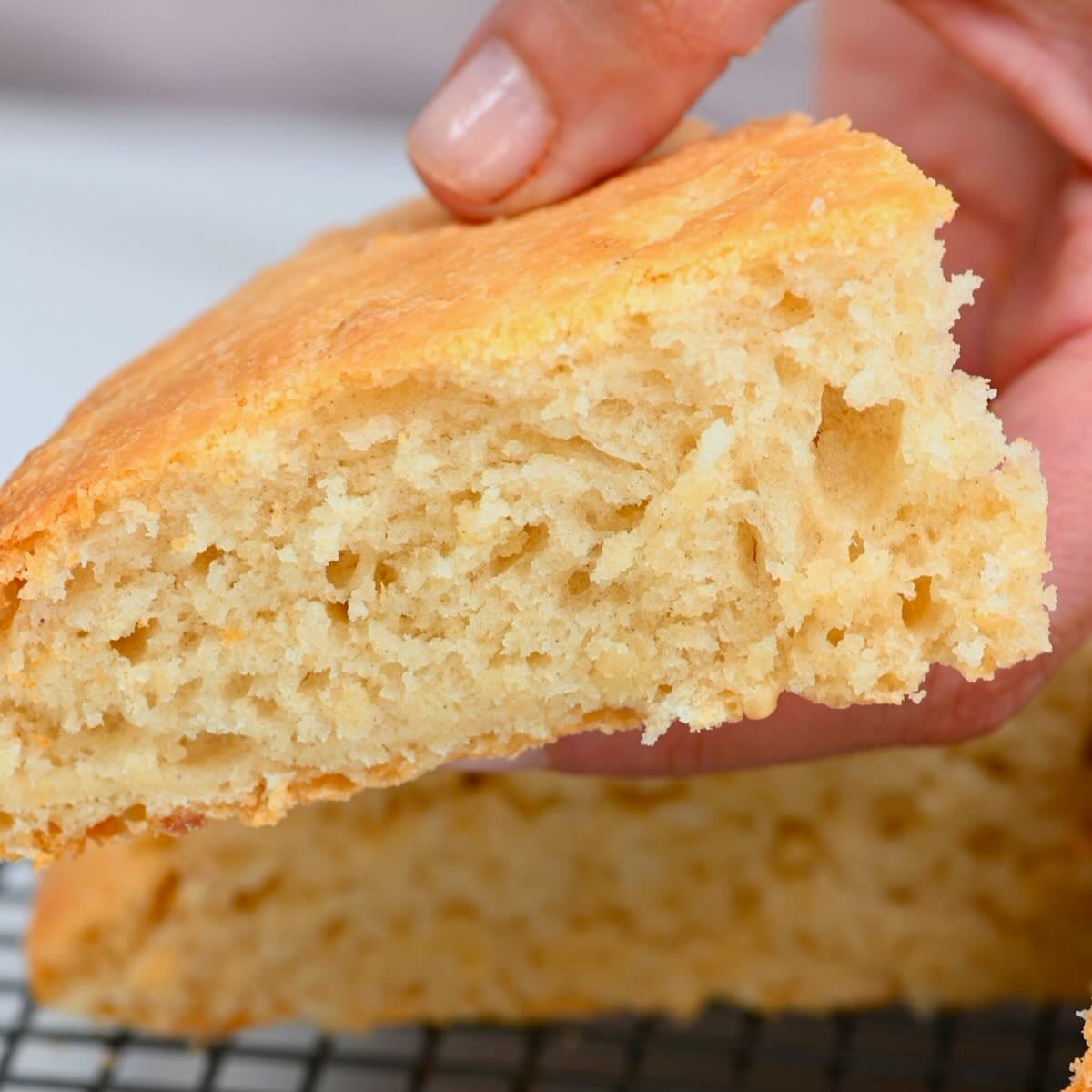
Coconut bake, a culinary gem from the Caribbean, holds a special place in the hearts and on the tables of many. However, the term "coconut bake" itself can refer to two distinct yet equally delicious creations: a traditional, savory bread and a sweet, cake-like treat. This exploration dives deep into both versions, guiding you through their unique characteristics, ingredients, and the essential steps of how to make coconut bake in its glorious duality.
The Savory Classic: Traditional Trinidad Coconut Bake (Pot Bake)
Often referred to as Trinidad Pot Bake, this rendition of coconut bake is a staple in Caribbean cuisine, embodying the rich culinary heritage of the islands. It’s not a dessert, but rather a robust, yeast-leavened bread designed to complement hearty savory dishes. Imagine a thick, slightly dense, yet beautifully soft interior encased in a lightly crisp, golden-brown crust. This is the authentic experience.
What Makes Traditional Coconut Bake Unique?
- Yeast-Based Leavening: Unlike many quick breads, this coconut bake relies on yeast for its structure, resulting in a bread-like crumb rather than a cakey texture. The rise is moderate, yielding a satisfyingly compact yet tender loaf.
- Savory Pairing: This bread is traditionally served alongside beloved Caribbean fare such as saltfish, smoked herring, or a vibrant buljol salad. It’s also incredibly delicious enjoyed simply warm from the oven with a smear of butter or a slice of cheese. Its subtle sweetness, derived primarily from the coconut milk, enhances rather than overwhelms savory accompaniments.
- Texture Profile: Expect a slightly chewy, soft interior that is perfect for tearing or slicing to scoop up rich gravies and fillings. The exterior develops a delicate crispness that adds a delightful contrast. It's important to note that this bake is not meant to be light and airy like sandwich bread or brioche; its characteristic density is part of its charm.
How to Make Traditional Coconut Bake: A Step-by-Step Guide
Learning how to make coconut bake in its traditional form is a rewarding experience, even for novice bakers. The ingredients are simple, and the process, while involving yeast, is surprisingly forgiving:
- Combine Dry Ingredients: In a large mixing bowl, whisk together your all-purpose flour, active dry yeast, a touch of granulated sugar (to activate the yeast and balance flavors), salt, and a pinch of grated nutmeg. Nutmeg is a traditional Caribbean spice that adds a subtle warmth.
- Incorporate Butter: Add cold butter, cut into small cubes, to the dry ingredients. Using your fingertips, work the butter into the flour mixture until it resembles coarse crumbs. This step helps create pockets of steam during baking, contributing to the bake's tenderness.
- Add Coconut Goodness: Stir in unsweetened shredded coconut for texture and intensified coconut flavor. Then, gradually pour in lukewarm coconut milk. Warming the milk slightly is crucial as it helps to activate the yeast, ensuring a proper, albeit moderate, rise.
- Knead the Dough: Mix everything until a shaggy dough forms. Turn it out onto a lightly floured surface and knead for a few minutes. You’re not aiming for a super elastic, developed gluten structure like with artisan bread; just enough to bring the ingredients together and create a smooth, pliable dough.
- First Proofing: Place the dough in a lightly greased bowl, cover it, and let it rest in a warm place for about 20-25 minutes. This is a relatively short proofing period, as traditional coconut bake is designed to have a moderate rise and a slightly dense texture.
- Shape and Prepare for Baking: Generously butter a baking dish or tray. Transfer the dough to the dish and gently press it down to release any trapped air bubbles. You can shape it slightly thinner around the edges than in the middle for even cooking. Using a fork, poke several holes evenly across the surface of the dough. This allows steam to escape, preventing large air pockets.
- Second Proofing & Bake: Cover the dough again and let it rest for another 15-25 minutes while your oven preheats to 400ºF (200ºC). Bake for approximately 20 minutes, or until the top is beautifully golden brown and the internal temperature reaches around 200-210°F (93-99°C).
- Cooling: Allow the coconut bake to cool for at least 15-20 minutes before slicing. This allows the internal structure to set, making it easier to cut and ensuring the best texture.
For a deeper dive into this authentic Caribbean delight, explore our articles on Authentic Trinidad Coconut Bake: Your Guide to a Savory Classic and Easy Trinidad Pot Bake: Make This Caribbean Bread Classic.
The Sweet Delight: Cakey Coconut Bake
In contrast to its savory counterpart, the sweet, cakey coconut bake offers a different kind of indulgence. This version is a quicker, often baking powder-leavened treat that's perfect for satisfying a sweet craving, serving unexpected guests, or bringing to a potluck. It’s known for its wonderfully tender, moist base studded with chewy, sweet coconut.
What Makes Sweet Cakey Coconut Bake So Appealing?
- Quick & Easy: Without the need for yeast proofing, this version comes together in a fraction of the time. It's truly a "15-minute wonder" in terms of prep, making it ideal for impromptu baking.
- Sweet & Tender: Generous amounts of sugar, combined with butter, milk, and eggs, create a rich, tender, and moist crumb. The shredded coconut adds a delightful chewiness and bursts of tropical flavor.
- Versatile Treat: Perfect as a standalone dessert, a delightful breakfast pastry with coffee, or an afternoon snack. It fills your kitchen with an intoxicating aroma that promises pure comfort.
How to Make Sweet Cakey Coconut Bake: A Simpler Approach
If you're wondering how to make coconut bake when you're short on time but big on cravings, this cakey version is your answer:
- Gather Your Ingredients: You'll need all-purpose flour, unsweetened shredded coconut (sweetened can be used, but adjust sugar), granulated sugar, melted unsalted butter, whole milk, a large egg, baking powder, and pure vanilla extract.
- Combine Dry Ingredients: In a large bowl, whisk together the flour, shredded coconut, granulated sugar, and baking powder. The baking powder acts as your leavening agent, providing a quick rise.
- Whisk Wet Ingredients: In a separate bowl, whisk together the melted butter, whole milk, egg, and vanilla extract until well combined. The egg acts as a binder, while the milk and butter contribute moisture and richness.
- Combine & Mix: Pour the wet ingredients into the dry ingredients. Mix gently with a spoon or spatula until just combined. Be careful not to overmix, as this can lead to a tough cake. A few lumps are perfectly fine.
- Prepare for Baking: Pour the batter into a greased baking dish. Spread it evenly.
- Bake: Preheat your oven (often around 350-375°F / 175-190°C, though specific recipes vary). Bake for a shorter duration than the yeast bread, typically 25-35 minutes, or until golden brown on top and a toothpick inserted into the center comes out clean.
- Cool & Serve: Let it cool slightly in the pan before slicing and serving. This allows the cake to set and makes it easier to handle.
Traditional vs. Cakey: Unpacking the Differences
While both are called "coconut bake," understanding their fundamental distinctions is key:
- Leavening Agent: The primary difference lies in the leavening. The traditional bake uses yeast, requiring proofing time and resulting in a bread-like crumb. The sweet, cakey version uses baking powder, offering a quicker preparation and a lighter, more tender cake texture.
- Flavor Profile: The traditional bake is subtly sweet, intended to be versatile for savory accompaniments. The cakey version is distinctly sweeter, designed as a dessert or sweet snack.
- Texture: Traditional coconut bake is denser, chewier, and possesses a bread-like structure with a crisp crust. The cakey version is softer, more tender, and often moist, with a fine crumb akin to a quick bread or cake.
- Serving Style: The traditional bake is served with meals, often alongside proteins or salads. The sweet bake is enjoyed on its own, with coffee, or as a dessert.
- Preparation Time: The yeast-based bread requires multiple resting/proofing stages, adding to the overall preparation time. The baking powder-based cake is much quicker, often ready from start to finish in under an hour.
Mastering Both Styles: Essential Tips for Your Coconut Bake Journey
Whether you choose to delve into the ancient art of yeast baking or whip up a quick cake, a few universal tips will elevate your how to make coconut bake experience:
- Quality Ingredients Matter: Use fresh, good-quality flour, yeast (ensure it's active!), and pure coconut milk. For the sweet version, fresh eggs and good quality vanilla extract make a difference.
- Lukewarm Milk is Key (for Yeast Bake): For the traditional bread, ensure your coconut milk is truly lukewarm – not hot (which kills yeast) and not cold (which inhibits it). Aim for around 100-110°F (38-43°C).
- Don't Overmix: For the yeast bread, knead just enough to incorporate ingredients and achieve a smooth dough. For the cakey version, mix only until the wet and dry ingredients are just combined; overmixing develops gluten excessively, leading to a tough texture.
- Embrace Resting Times: For the traditional bake, don't rush the proofing stages. They are crucial for developing flavor and achieving the desired texture.
- Monitor Your Oven: Ovens vary! Keep an eye on your bake, especially during the last few minutes. A golden-brown top is generally the indicator of doneness, but a quick internal temperature check with a thermometer can provide assurance for the bread (200-210°F).
- Cool Before Slicing: This cannot be stressed enough for both versions. Cooling allows the internal structure to firm up, making for cleaner slices and preventing a gummy texture.
The world of coconut bake is wonderfully diverse, offering something for every palate and occasion. Whether you're drawn to the hearty, savory tradition of Trinidad Pot Bake or the tender, sweet embrace of a cakey coconut treat, learning how to make coconut bake promises a delicious journey. Experiment with both styles, savor the distinct flavors and textures, and find your own favorite way to enjoy this incredible Caribbean delight. Happy baking!
